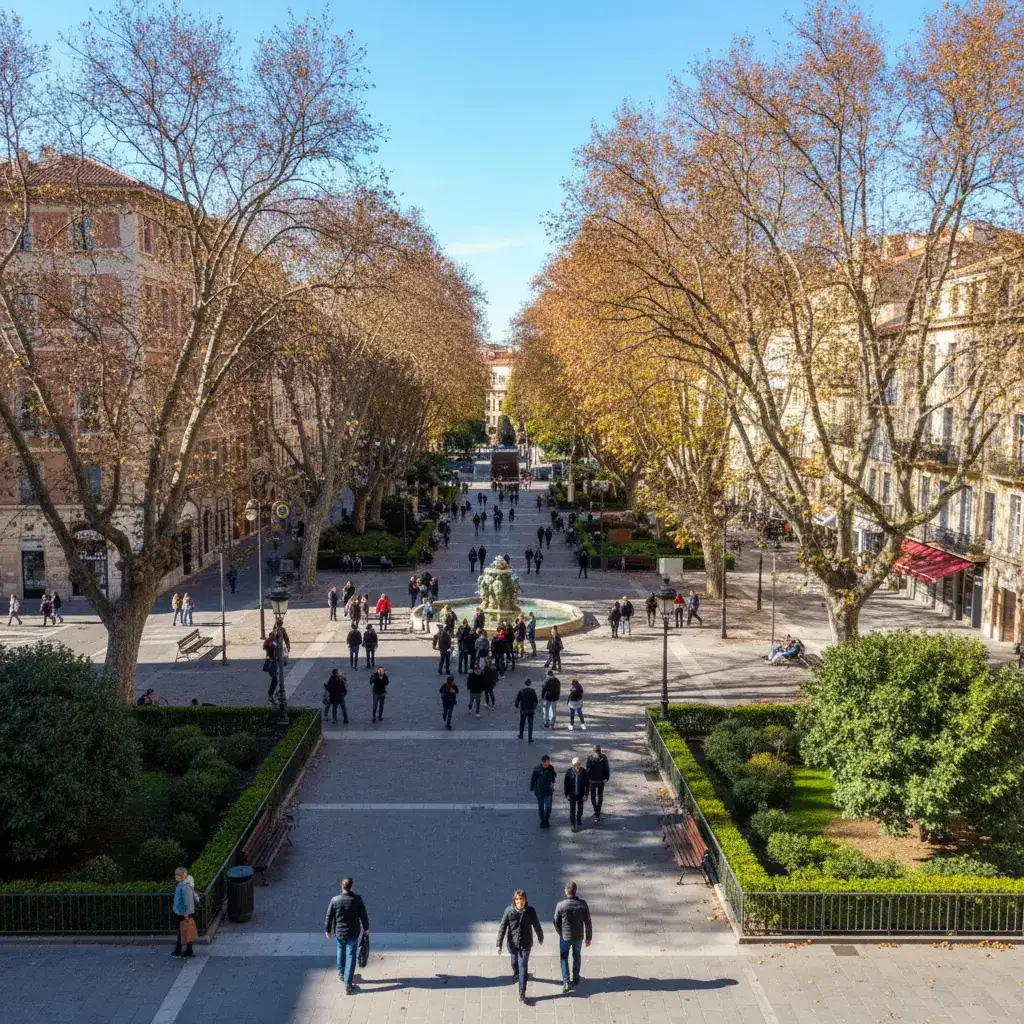
Athens is facing a significant crisis with its urban forests. In the last five years, thousands of trees in streets and parks have died as a result of invasive insects and climate-related stress combined, based on new reports and expert analysis. Species that have long been identified with the Greek capital, such as mulberries, bitter orange trees, elms, and palms, are now in widespread decline.
Reports from October 29, 2025, highlight that the city’s green infrastructure is under continuous pressure from hotter, drier weather and rapidly spreading pests. Officials are re-evaluating planting strategies, maintenance schedules, and monitoring to protect the tree canopy that helps cool neighborhoods, support biodiversity, and improve air quality.
Invasive beetle established in the capital
Among the most destructive threats is the Asian longhorn beetle (Xylotrechus chinensis), a wood-boring insect from Southeast Asia first found in Athens in 2020. The European Food Safety Authority (EFSA) states the species is now settled in parts of Greece and other Mediterranean nations, meeting the criteria for consideration as a potential EU quarantine pest. This beetle mainly attacks mulberry trees by burrowing through their trunks, which disrupts the flow of nutrients until the tree dies. Researchers in Athens and other parts of Greece have recorded severe infestations and losses, and EFSA warns that the pest threatens ornamental and fruit trees throughout Southern Europe.
Climate pressures magnify the damage
These invasive insects are not the only problem. Increasing temperatures, less rainfall, and extended droughts are weakening the natural defenses of trees, making them more susceptible to pests and diseases. Species that once flourished in the relatively stable Mediterranean climate are now finding it harder to survive as Athens gets hotter and drier. Experts caution that the combination of these climatic and biological pressures could permanently change the makeup of the city’s urban plant life.
Targeted management and monitoring
Authorities in Athens have started using a combination of management strategies to slow infestations and improve resilience. These measures involve trunk-injection treatments when suitable, the targeted removal of dead or severely infested trees, and replacing them on a large scale with species that can handle heat and drought better than the older varieties. The city is also experimenting with data-driven monitoring, using everything from aerial surveys to early-warning systems, to spot outbreaks before they become widespread.
Although these actions are showing early promise, experts talk about a “new normal” where urban forestry needs to focus on adaptation, pest management, and biodiversity, not just on the simple number of trees planted. The main objective, they point out, is to maintain a healthy canopy in a warming climate, not just to swap one species for another.
A warning for Mediterranean cities
The situation in Athens provides a preview of the challenges that many cities in the Mediterranean and around the world will face. Climate change, invasive species, and water shortages are transforming urban ecosystems, compelling city governments to combine scientific planning with long-term funding for maintenance and public outreach. To preserve the tree cover under these conditions, coordinated action and ongoing monitoring will be necessary-lessons that Athens is applying right now.
Source: https://greekreporter.com/2025/10/29/invasive-insects-climate-stress-devastate-athens-urban-trees-greece/