

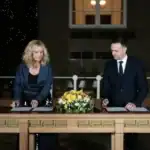
Last week at Athens City Hall, Mayor Haris Doukas and Theatro Technis artistic director Marianna Kálbari introduced the new institution “Athens, World Theatre Capital.” They signed a cooperation memorandum that lays out four pillars and brings back the historic Dionysian contests-this time for contemporary playwriting. The move aims to draw major international co-productions and make theatre easier to reach across the city.
What does the program offer?
So, what’s actually on the table? The memorandum sets four practical axes meant to reconnect theatre with Athens and its people:
- Theatre and the City – activating public space and encouraging local and international creation.
- Theatre and Democracy – staging dialogue and civic debate.
- Theatre as a cultural experience – widening access for residents and visitors.
- Social and educational role – workshops and actions for communities, including vulnerable groups.
“Our goal is to turn the city into a reference point for major international co-productions,” said Mayor Doukas. He noted that the municipality works through Technopolis, the Kolonos Festival, the Lycabettus Theatre and the Olympia-even with tight finances.
When will the New Dionysia take place?
The initiative revives the Small New Dionysia, a competitive festival dedicated to new Greek dramaturgy. Standout works will then move up to compete at the international Great New Dionysia, planned for spring-late March to early April-echoing the timing of the ancient Great Dionysia in Athens. A professional Market, modeled on film-festival markets and backed by an open digital collaboration platform, will connect companies and creators looking for co-productions. “We will start gradually,” Kálbari said.
Who took part in the launch?
The presentation carried Kálbari’s signature concept, developed from Theatro Technis’ spring program “Connecting New Creators.” The new artistic director of the Athens Epidaurus Festival, Michail Marmarinos, also attended, underlining the plan to align within three years with performances presented alongside the city’s flagship summer festival.
What does it mean for Athens residents?
Beyond headline co-productions, the program puts weight on education and inclusion. “Through theatre and educational actions we will also support vulnerable groups-children and teenagers facing addiction or neglect,” the mayor said. For audiences across Athens, and for visitors, organisers promise richer programming and easier access to the magic of the stage. For artists, the Market and international links aim to strengthen the outward reach of Greek theatre.
What’s next from the organisers?
Detailed calls, budgets and dates for the Small New Dionysia and the Market weren’t included in the announcement and are expected from the City of Athens and Theatro Technis. The institution is set to grow year by year, adding new ideas and partnerships while keeping contemporary dramaturgy at its core.











Leave a comment